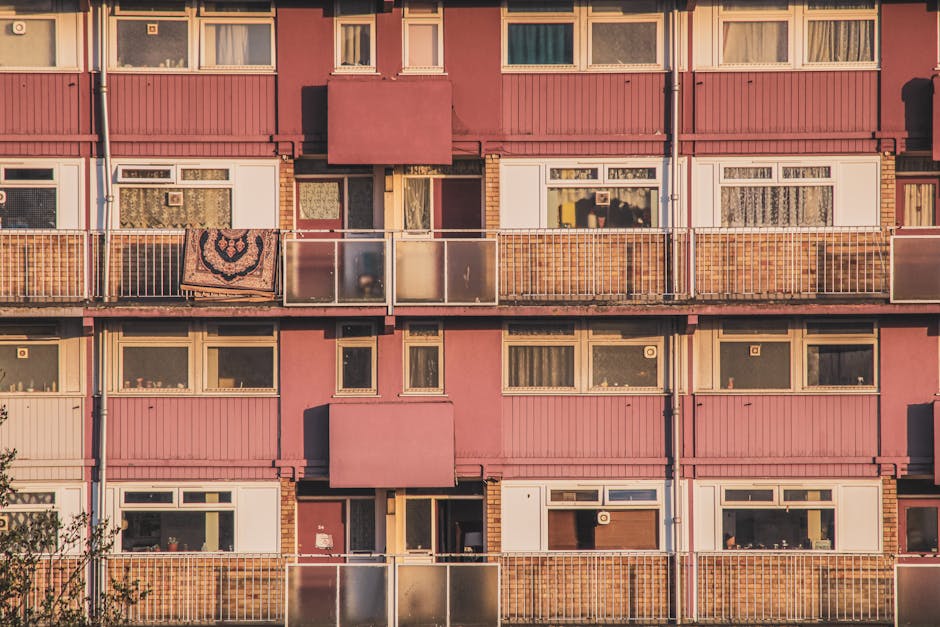
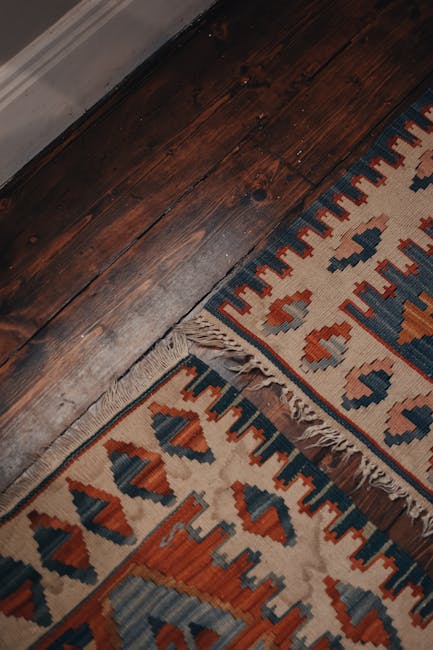
Rug cleaning for East Dulwich homes around Lordship Lane
If you live near Lordship Lane, you already know how quickly a rug can go from "looks fine" to "why does the hallway suddenly feel tired?" Dirt from shoes, crumbs from family life, pet hair, and everyday London dust all settle in without much drama. Then one day the colours look flat, the fibres feel a bit sticky, and that lovely rug in the living room no longer pulls the room together.
This guide to rug cleaning for East Dulwich homes around Lordship Lane walks you through what actually works, when to choose a professional clean, and how to avoid the little mistakes that can damage a rug faster than the stain itself. You'll find practical advice, a clear step-by-step process, a comparison table, a real-world example, and a checklist you can use straight away. No fluff. Just the stuff that helps.
Table of Contents
- Why Rug cleaning for East Dulwich homes around Lordship Lane Matters
- How Rug cleaning for East Dulwich homes around Lordship Lane Works
- Key Benefits and Practical Advantages
- Who This Is For and When It Makes Sense
- Step-by-Step Guidance
- Expert Tips for Better Results
- Common Mistakes to Avoid
- Tools, Resources and Recommendations
- Law, Compliance, Standards, or Best Practice
- Options, Methods, or Comparison Table
- Case Study or Real-World Example
- Practical Checklist
- Conclusion
- Frequently Asked Questions
Why Rug cleaning for East Dulwich homes around Lordship Lane Matters
Rugs do a lot of quiet work in a home. They soften a hard floor, reduce noise, add warmth, and make a room feel finished. In East Dulwich, especially around busy stretches near Lordship Lane, they also act like little dust magnets. Footfall from the street, grit from shoes, pollen in spring, and the usual family traffic all build up over time.
That buildup is not just cosmetic. Embedded soil can make fibres wear faster, dull natural dyes, and leave a rug feeling less inviting underfoot. If you have wool, silk, viscose, jute, or a hand-knotted piece, the stakes are higher still. A careless clean can make edges buckle, colours bleed, or backing weaken. To be fair, a good rug often looks sturdy right up until the wrong method ruins it.
For homes near Lordship Lane, there's also the practical side: rugs sit in the parts of the house people use most. Hallways, front rooms, dining spaces, play areas, under the coffee table. These are the places where spills happen. A dropped red wine glass at 7pm on a weekday can feel like a disaster, but it is usually manageable if handled properly and quickly.
Another thing people often miss: rug cleaning is not only about making something look clean before guests arrive. It is about keeping the rug healthy over time. Dust and fine grit can act like sandpaper when you walk across the fibres. So yes, it is partly about appearance, but also about preserving value and comfort. That matters whether the rug is an investment piece or just the one that happens to work brilliantly with the sofa.
How Rug cleaning for East Dulwich homes around Lordship Lane Works
Good rug cleaning starts with identifying the rug, not with spraying it straight away. The fibre type, dye stability, weave, backing, age, and previous treatments all affect the method. A wool rug usually needs a different approach from a synthetic flatweave. A delicate antique piece needs gentler handling than a machine-made polypropylene rug in the dining room.
In practice, the cleaning process usually follows a few sensible stages. First comes inspection. Then dry soil removal, because loose grit should come out before moisture is introduced. After that, the cleaner chooses the right technique for the material and the soil type. That may involve hot water extraction, low-moisture cleaning, specialist spotting, or careful hand cleaning. Some rugs benefit from a final grooming step so the pile dries evenly and feels less crushed.
There is also the important drying stage. A rug that looks clean but stays damp too long can develop odours, uneven texture, or even mould in extreme cases. That's why airflow, temperature, and placement matter. Don't just roll it up and hope for the best. We've all done the "it will probably dry by itself" thing. It usually sort of works, until it really doesn't.
If you are comparing a professional clean with doing it yourself, the difference is usually in the detail. A trained cleaner can match the method to the rug, test colours, control moisture, and treat spots without over-wetting the backing. That attention to detail is especially useful in homes around Lordship Lane, where rugs often live in busy, lived-in spaces rather than showroom-perfect ones.
Key Benefits and Practical Advantages
The most obvious benefit is visual. A proper rug clean lifts the dull film that slowly settles over fibres and brings back pattern clarity, colour depth, and softness. But the practical benefits go further than that.
- Longer rug life: Removing grit reduces fibre wear and helps the rug last longer.
- Better indoor feel: Clean rugs tend to smell fresher and feel less dusty underfoot.
- Improved hygiene: Spills, crumbs, pet dander, and everyday residue are reduced.
- Better room appearance: The whole room can look brighter once the rug is revived.
- More confidence with guests: Useful if the rug sits in a main living area or dining room.
- Protection for delicate pieces: The right treatment can help safeguard a valuable or sentimental rug.
There is also a subtle benefit people notice after the clean: the room feels calmer. Not in a dramatic, life-changing way, obviously. But when a rug no longer looks tired, the room often feels more intentional and pulled together. That matters more than people think.
For households using a broader home care routine, rug cleaning fits neatly alongside carpet cleaning, upholstery cleaning, and sofa cleaning. The result is a more consistent clean across the room, not just one bright spot on the floor.
Who This Is For and When It Makes Sense
Rug cleaning makes sense for a lot of East Dulwich households, but the reasons differ. A family with children may be reacting to drinks, muddy footprints, and biscuit crumbs that seem to appear from nowhere. Pet owners often notice hair, odour, and the occasional accident. If you rent a place around Lordship Lane, you may want the rug to look fresh for viewings, check-outs, or just everyday comfort.
It also makes sense if the rug is showing one of these signs:
- a grey or dusty cast that vacuuming no longer removes
- flat patches in high-traffic areas
- noticeable odours after spills or pet use
- visible staining from food, drink, or makeup
- frayed edges, if the rug is being cleaned too roughly at home
- colour dullness near the centre where people walk most
If the rug is antique, handmade, natural fibre, or especially meaningful, a cautious professional assessment is usually the safer call. And if you are not sure what the fibre is, that is very normal. Plenty of people just know it looks good and cost a bit more than they expected. That's fine. The point is to avoid guessing.
For busy homes where you are trying to get several jobs done at once, one-off support can make sense too. A wider one-off cleaning visit may be handy if you want the rug treated at the same time as the rest of the living space, especially before a family gathering or after a messy winter stretch.
Step-by-Step Guidance
If you want the clean to go well, the sequence matters. Rushing the early steps usually causes the headaches later.
- Identify the rug. Check whether it is wool, synthetic, silk, jute, cotton, or a blended weave. If there is a care label, keep it close.
- Vacuum thoroughly. Remove dry soil from both sides if possible, especially from fringes and the back.
- Spot test first. Try any treatment on a hidden corner. A little patience here can save a lot of regret.
- Treat stains carefully. Blot, don't scrub. Scrubbing can push the stain deeper and distort the pile.
- Choose the right cleaning method. Match the process to the fibre and condition of the rug.
- Control moisture. Avoid soaking the rug. Over-wetting is one of the quickest ways to create problems.
- Dry properly. Use airflow and space. Make sure both the face and backing can dry evenly.
- Finish and inspect. Once dry, check for residues, odour, colour change, or stiff patches.
If you're cleaning at home, do not be tempted to speed things up with a fan heater pointed directly at a delicate rug. Heat can warp fibres or set stains. Gentle drying is the better route, even if it feels slow. Sometimes slow is the smart version.
For rugs that sit in spaces with hard flooring underneath, it can help to think about the whole room. A clean rug over a clean floor looks far better than a beautifully cleaned rug sitting on a scuffed surface. If that sounds familiar, it may be worth looking at hard floor cleaning as part of the wider plan.
Expert Tips for Better Results
A few small habits make a surprisingly big difference.
Vacuum regularly, but gently. High suction is not always better, especially on a delicate weave or fringe. If your vacuum has a brush bar, use it cautiously.
Rotate the rug. Sunlight and foot traffic often affect one side more than the other. A turn every so often helps it wear more evenly.
Blot spills immediately. Keep a clean white cloth or paper towel to hand. The first minute matters more than the first hour, truth be told.
Use as little product as possible. Excess cleaner can leave residue that attracts more dirt. A rug that feels slightly tacky after cleaning usually hasn't been rinsed well enough.
Respect fringes. Fringes are not decorative afterthoughts. They're often the easiest part to damage. Treat them gently.
Check the underlay. A good rug pad protects the backing and stops slipping. It also reduces wear, which is easy to forget until the corners start wandering across the room.
Ask about drying and aftercare. A cleaner should be able to explain how long the rug should stay flat, when it can be walked on, and whether furniture should stay off it for a while.
For homes that want a deeper reset, rug care can be combined with deep cleaning. That is especially useful when the rug is part of a room that has seen a lot of winter traffic, cooking smells, or general everyday wear.
Common Mistakes to Avoid
Some rug cleaning mistakes are obvious. Others are sneaky. The sneaky ones usually cost more.
- Using too much water: This can damage backing, cause dye bleed, and slow drying.
- Rubbing stains hard: It pushes the mark deeper and can rough up the fibres.
- Using one cleaner for every rug: One-size-fits-all products are rarely a good idea.
- Skipping the test patch: That hidden corner exists for a reason.
- Leaving a rug damp too long: Odours and texture problems can follow.
- Ignoring the fibre type: Natural fibres and delicate weaves need more care than synthetic ones.
- Forgetting the underside: Dirt often collects underneath, especially on heavier rugs.
A lot of damage happens when someone means well. They just want the stain gone before dinner guests arrive, so they grab the nearest spray and go at it. Fair enough, but rugs are less forgiving than they look. If the piece matters, go slow.
If you are handling other household cleaning projects at the same time, it can be sensible to organise them together rather than piecing them out randomly. For example, after a messy decorating job, pairing rug care with after builders cleaning can make the whole home feel settled again rather than half-finished.
Tools, Resources and Recommendations
You do not need a cupboard full of gadgets to care for a rug properly. In fact, less is usually more. A simple, well-chosen kit often beats a drawer full of random bottles.
- a good vacuum with adjustable suction
- clean white cloths for blotting
- a soft brush for gentle pile grooming
- lukewarm water for careful spot treatment
- a mild cleaner suitable for the rug fibre, if appropriate
- fans or open windows to help with drying
- a rug pad to reduce movement and wear
For professional help, choose a company that can explain its method clearly, discuss fibre risks, and talk plainly about what it will not do. That last bit matters. A confident answer about limitations is often more reassuring than a big promise. It shows judgement.
If you are comparing companies, it can also help to review practical pages such as pricing and quotes, insurance and safety, and the company's about us information. Those pages do not clean the rug for you, of course, but they do tell you a lot about how a business works.
Law, Compliance, Standards, or Best Practice
Rug cleaning itself is not heavily regulated in the way some specialist trades are, but there are still sensible standards and expectations worth paying attention to. In the UK, reputable cleaners are generally expected to work safely, handle chemicals responsibly, and avoid creating unnecessary risk to property or occupants. That includes clear communication about drying times, access, and any potential hazards such as wet floors.
Best practice also means knowing when not to clean a rug in a certain way. If a cleaner cannot identify the fibre or is not sure whether a dye will run, they should say so. That caution is not a weakness; it is professional judgement. Same goes for homes with children, pets, or people sensitive to smells and residues. Ventilation and low-residue methods can matter a lot.
You may also want to check practical business safeguards such as health and safety policy, terms and conditions, and payment and security. These do not tell you how clean the fibres will be, but they do help set expectations around service, handling, and customer confidence.
One more point that often gets overlooked: if a rug is particularly valuable, antique, or fragile, it may be wise to ask for a method that prioritises preservation over speed. A slightly less dramatic clean is better than a ruined heirloom. Every time.
Options, Methods, or Comparison Table
Different rugs call for different approaches. Here is a straightforward comparison to help you think it through.
| Method | Best for | Strengths | Watch-outs |
|---|---|---|---|
| Vacuum and spot care | Light maintenance and fresh spills | Low cost, easy to do, helps prevent buildup | Won't remove embedded soil or deep odours |
| Low-moisture cleaning | Many synthetic or moderately soiled rugs | Faster drying, less risk of over-wetting | May not suit heavy staining or very thick pile |
| Hot water extraction | Some robust rugs where fibre and dye allow it | Effective for deeper soil and residue | Needs careful control of moisture and drying |
| Hand cleaning / specialist treatment | Delicate, handmade, antique, or natural fibre rugs | Greater control and gentler handling | Usually slower and more specialised |
There is no single "best" method for every rug. That is the whole point. If someone tells you there is, they are probably simplifying a bit too hard. Better to ask what the rug is made from, what the stain is, and how it is likely to react before anything touches the fibres.
For households that want a broader refresh rather than a single-item treatment, combining rug work with domestic cleaning can be a sensible way to reset the home in one go. And if you are dealing with a lot of fabric surfaces, upholstery cleaning can bring the rest of the room into line.
Case Study or Real-World Example
A typical East Dulwich situation goes something like this: a wool rug in a sitting room off Lordship Lane starts looking flat after a wet winter. The family notices a faint grey track where everyone crosses from the hallway to the sofa. Nothing dramatic. Just enough to annoy you every time the afternoon light catches it.
First, the rug is inspected. The cleaner checks the weave, notes that the fibres are natural, and tests a small hidden section for colour stability. After vacuuming both sides, dry soil is lifted out. A cautious spot treatment is used for a small drink mark near the edge. The clean is then carried out with controlled moisture, followed by a careful drying setup so the backing does not stay damp too long.
After drying, the rug looks brighter and the pile stands a little taller. The grey track is less obvious, and the room feels fresher. Not brand new. That would be unrealistic. But clearly improved, and importantly, not damaged in the process.
That kind of outcome is usually what people want. A sensible clean, not a miracle. If the rug is expensive or sentimental, that distinction matters. You want it revived, not reinvented.
Practical Checklist
Use this quick checklist before and after cleaning a rug at home or booking a professional service.
- Know the rug fibre if possible
- Check for labels, care notes, or previous repairs
- Vacuum both sides where safe
- Blot spills instead of rubbing
- Test any product on a hidden corner
- Keep moisture under control
- Allow full drying before putting furniture back
- Watch for colour bleed or residue
- Use a rug pad to reduce wear
- Schedule cleaning before dirt becomes deeply embedded
If you can tick most of those off, you are already ahead of the curve. Honestly, that's half the battle.
Get a free quote today and see how much you can save.
Conclusion
Rug cleaning for East Dulwich homes around Lordship Lane is not just a tidy-up job. It is a practical way to protect the look, feel, and lifespan of a piece that often anchors the whole room. Whether your rug is a family-friendly workhorse, a handmade investment, or just the thing that makes the place feel like home, it deserves the right method and a bit of respect.
The main takeaway is simple: identify the rug, treat stains carefully, avoid excess moisture, and choose a method that fits the material. If the rug is delicate, valuable, or heavily soiled, a professional clean is often the safer move. And if you are comparing options, use the business pages to check the details that matter most: process, safety, and expectations.
A well-cleaned rug does more than look nicer. It settles a room. It feels good when you walk across it on a cool evening. It quietly makes the house feel looked after, which is really what most of us want anyway.
Frequently Asked Questions
How often should a rug be cleaned in an East Dulwich home?
It depends on traffic, pets, children, and the rug's material. A busy living room rug will usually need more regular care than a spare-room piece. Vacuuming should be ongoing, while deeper cleaning is best timed around visible soiling, odour, or a noticeable loss of freshness.
Can I clean a wool rug myself?
Yes, light maintenance and careful spot treatment can often be done at home. The key is to use as little moisture as possible and test any product first. For deep staining or larger wool rugs, a professional approach is usually safer.
What is the safest way to remove a fresh spill?
Blot immediately with a clean white cloth. Do not rub. Work from the outside of the spill inwards so the mark does not spread. If needed, use a tiny amount of suitable cleaner after testing a hidden area first.
Why does my rug smell after cleaning?
Usually it is a drying issue. If a rug stays damp too long, lingering odour can develop. Good airflow, proper drying time, and avoiding over-wetting are the main fixes. Sometimes the smell was already deep in the fibres and only became obvious once the rug was disturbed.
Are some rug materials harder to clean than others?
Yes. Wool, silk, viscose, jute, and antique rugs often need more caution than synthetic pieces. Delicate dyes, natural fibres, and handmade construction can all affect the method chosen.
How long does a rug take to dry?
Drying time varies with size, thickness, fibre, room temperature, and ventilation. A thick rug will usually take longer than a flat synthetic one. It is better to allow full drying than to rush it back into use too soon.
Can rug cleaning remove pet odours?
Often it can reduce or remove them, especially if the odour has not soaked deeply into the backing. Pet urine is more complicated than surface dirt, so the cleaner needs to assess how far the contamination has travelled before deciding on the right treatment.
Is professional rug cleaning worth it?
For valuable, delicate, heavily used, or heavily stained rugs, yes, it often is. The value is not just in appearance. It is also in reduced risk of fibre damage, better drying control, and a method matched to the material.
What should I ask before booking a rug clean?
Ask what cleaning method will be used, whether the rug fibre has been identified, how long drying may take, and what happens if colour bleed or pre-existing damage is found. Those questions give you a much clearer picture than price alone.
Can a rug cleaner also help with the rest of the room?
Yes, and that can be a smart move. If your rug sits in a living space with sofas, carpets, or hard flooring, it may make sense to coordinate the work with carpet cleaning, sofa cleaning, or hard floor cleaning so the room feels consistently fresh.
How do I know if my rug is too delicate for DIY cleaning?
If the rug is handmade, antique, silk, viscose, loosely woven, or already showing wear, it is probably wise to avoid DIY liquids and aggressive scrubbing. If you are unsure, treat it as delicate. That is usually the safer assumption.
Where can I learn more about the company before booking?
You can review practical information on the company's about us page, look at its insurance and safety information, and check the service details on rug cleaning. That gives you a good feel for how the service is structured before you make a decision.